Short answer: in big Chinese cities a simple meal costs about 25–40 yuan (US$3.50–6) per person, and a sit-down restaurant starts at about 80 yuan (US$12). With breakfast included at the hotel, I spent roughly 65–115 yuan (US$10–17) per person a day on food. Milk tea is cheap, bakeries are not, and fruit at local markets costs almost nothing.
Checked November 2026. My prices come from my own trip. Yuan and dollar amounts are converted at the 11 November 2026 exchange rate, so treat them as a guide, not a menu.
Food prices in China at a glance
| What | Price per person | In US$ |
|---|---|---|
| Simple meal (noodles, dumplings, rice set) | about 25–40 yuan | about $3.50–6 |
| Sit-down restaurant | from about 80 yuan | from about $12 |
| Mixue drink or ice cream | about 6–12 yuan | about $0.85–1.80 |
| Molly Tea (茉莉奶白) milk tea | about 15–16 yuan | about $2.20–2.40 |
| Bakery run (a few pastries) | about 20–50 yuan | about $3–7 |
| Mango at a local market in Hainan | 3 yuan per jin (6 yuan per kg) | about $0.90 per kg |
| All food for one day, hotel breakfast included | about 65–115 yuan | about $10–17 |
A week of food for two people cost us about 1,320 yuan (about US$200) in total. That was a normal mix of quick meals, a few restaurants, drinks and snacks, not a strict budget.
Everyday meals: cheaper than you expect
Local canteens, noodle shops and food courts in malls are where your money goes furthest. A filling bowl or a rice set lands in the 25–40 yuan range. You order from a picture menu or a QR code on the table and pay with Alipay or WeChat Pay.
Restaurants with table service start at about 80 yuan per person. Hot pot, Peking duck and anything in a tourist street costs more. If you want to see what a dish is before you order, point your phone camera at the menu. I explain how I do that in my translator app guide.
Drinks: milk tea for the price of a bottle of water
Tea and ice cream chains are everywhere. Mixue is the cheapest: a drink or a cone costs about 6–12 yuan. Molly Tea and similar milk-tea brands cost about 15–16 yuan. For a hot day in Shanghai or Sanya, that’s the cheapest way to cool down.
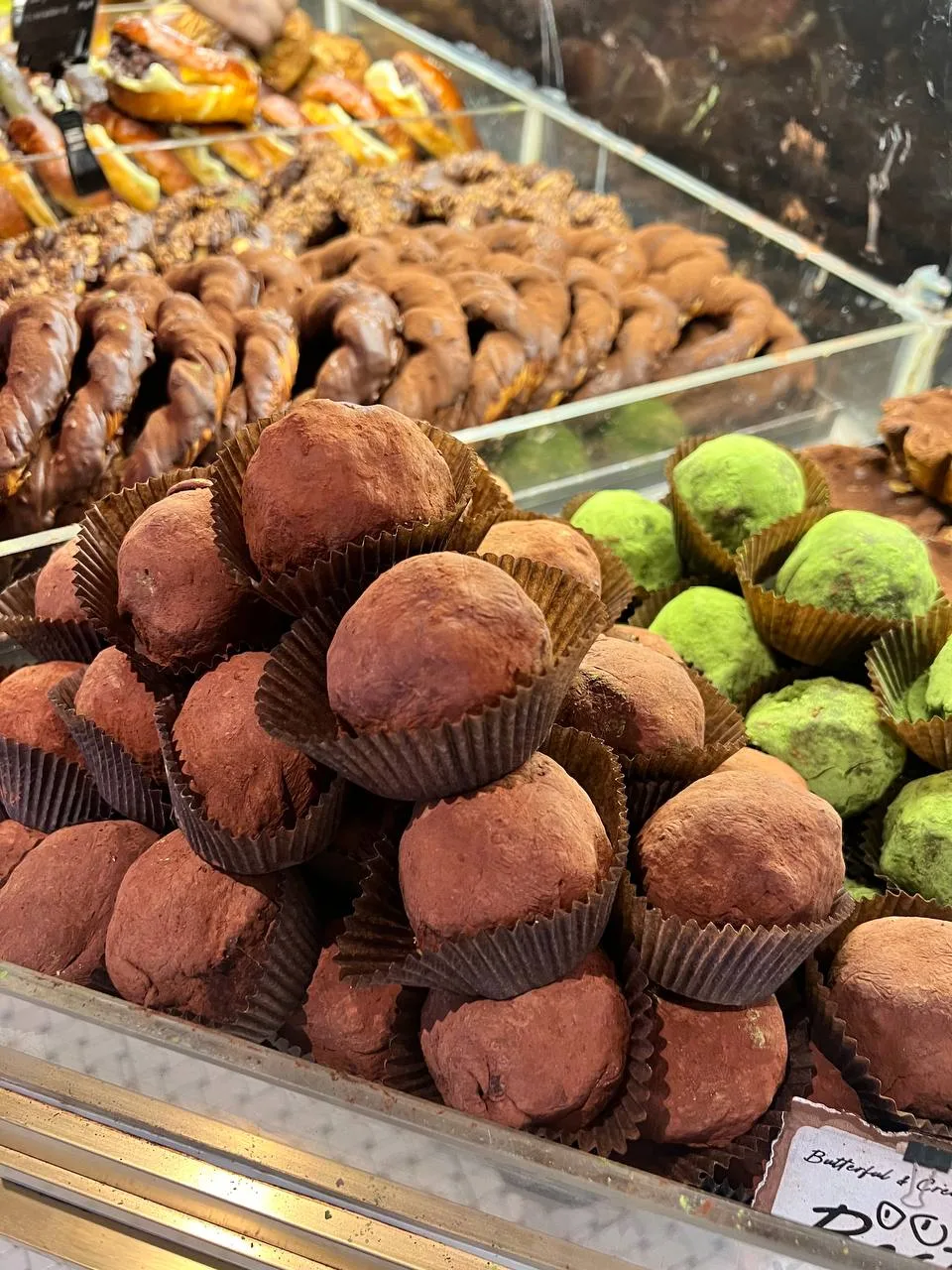
Bakeries: the one place I overspent
Chinese bakeries look irresistible, and a tray of a few pastries quickly reaches 20–50 yuan. It’s not a disaster, but it’s the one category where China didn’t feel cheap.
Fruit and markets: the best value in the country
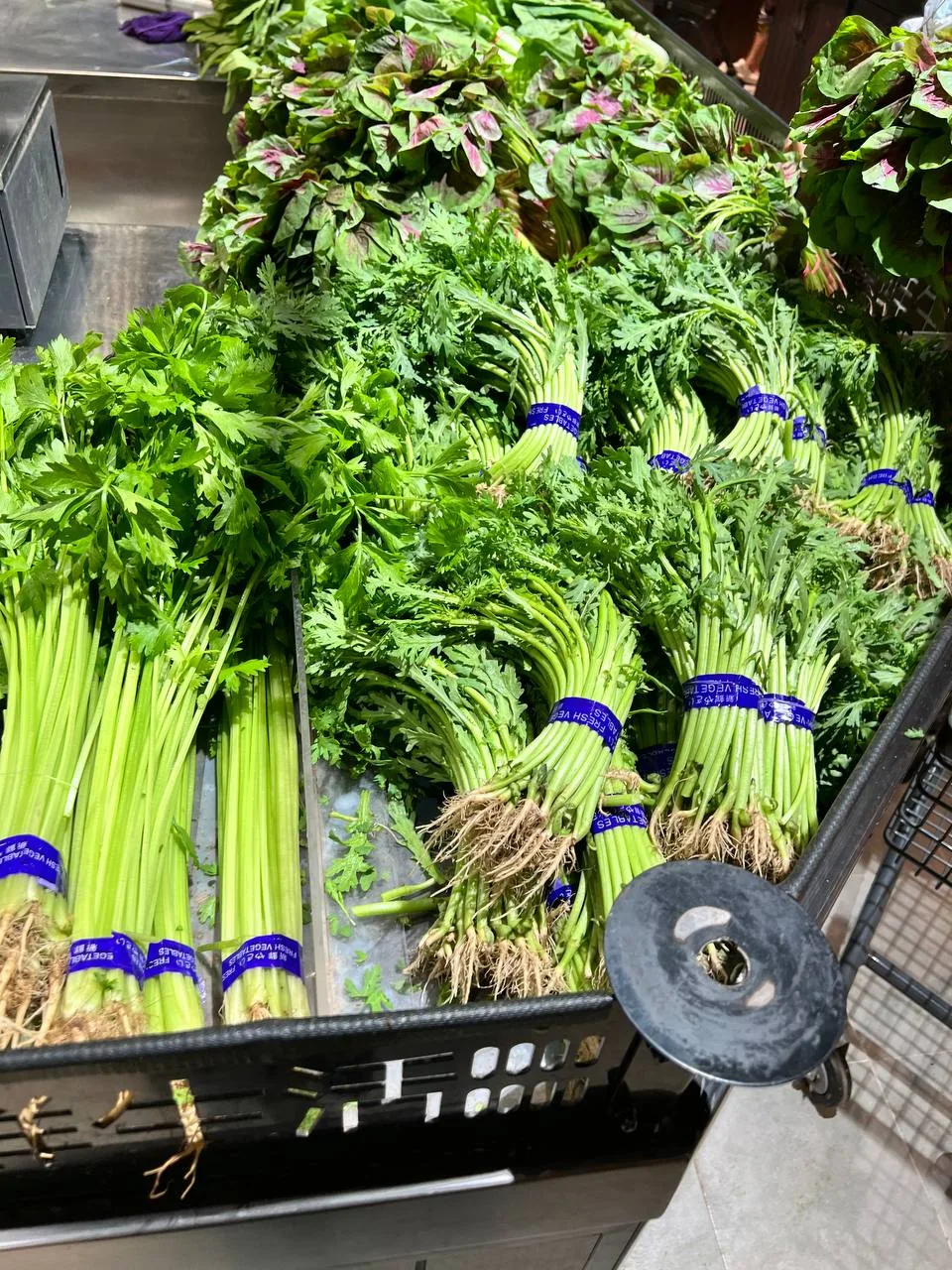
At a local market in Hainan we paid 3 yuan per jin for mangoes. A jin (斤) is 500 grams, so that’s 6 yuan per kilogram, less than a dollar. Prices at markets are almost always given per jin, not per kilo, so halve the weight in your head.
Snacks: look for HotMaxx
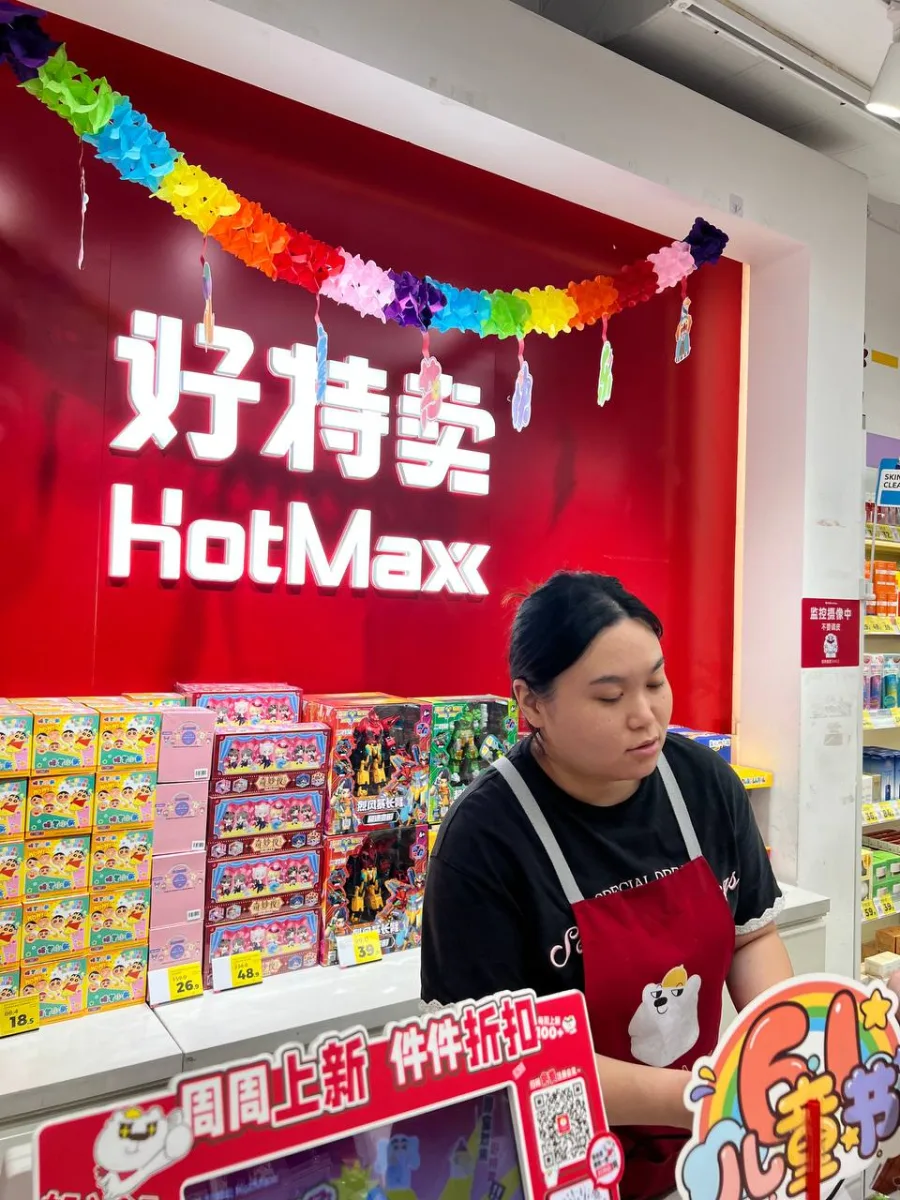
For water, snacks and road-trip supplies, discount snack stores like HotMaxx (好特卖) are cheaper than convenience stores. It’s a good place to stock up before a long train ride.
How to budget for food in China
- Count about 65–115 yuan (US$10–17) per person per day if breakfast is included at your hotel.
- If breakfast isn’t included, add the price of one simple meal.
- Add a 20% buffer for theme parks, airports and tourist streets, where prices jump.
- Set up a mobile payment app before you fly. Cash still works, but almost everyone pays by QR code. See how to pay in China.
If you’re planning the whole trip, my China trip cost breakdown puts food next to hotels, trains and tickets.
FAQ
How much is a meal in China?
A simple meal in a city costs about 25–40 yuan (US$3.50–6) per person. A sit-down restaurant starts at about 80 yuan (US$12).
How much should I budget for food per day in China?
On my trip it was about 65–115 yuan (US$10–17) per person a day with hotel breakfast included. Add 20% as a buffer.
Is food in China cheap for tourists?
Everyday meals, milk tea and market fruit are cheap. Bakeries, theme parks and tourist streets cost noticeably more.
What is a jin?
A Chinese unit of weight equal to 500 grams. Markets usually show prices per jin.
Добавить комментарий