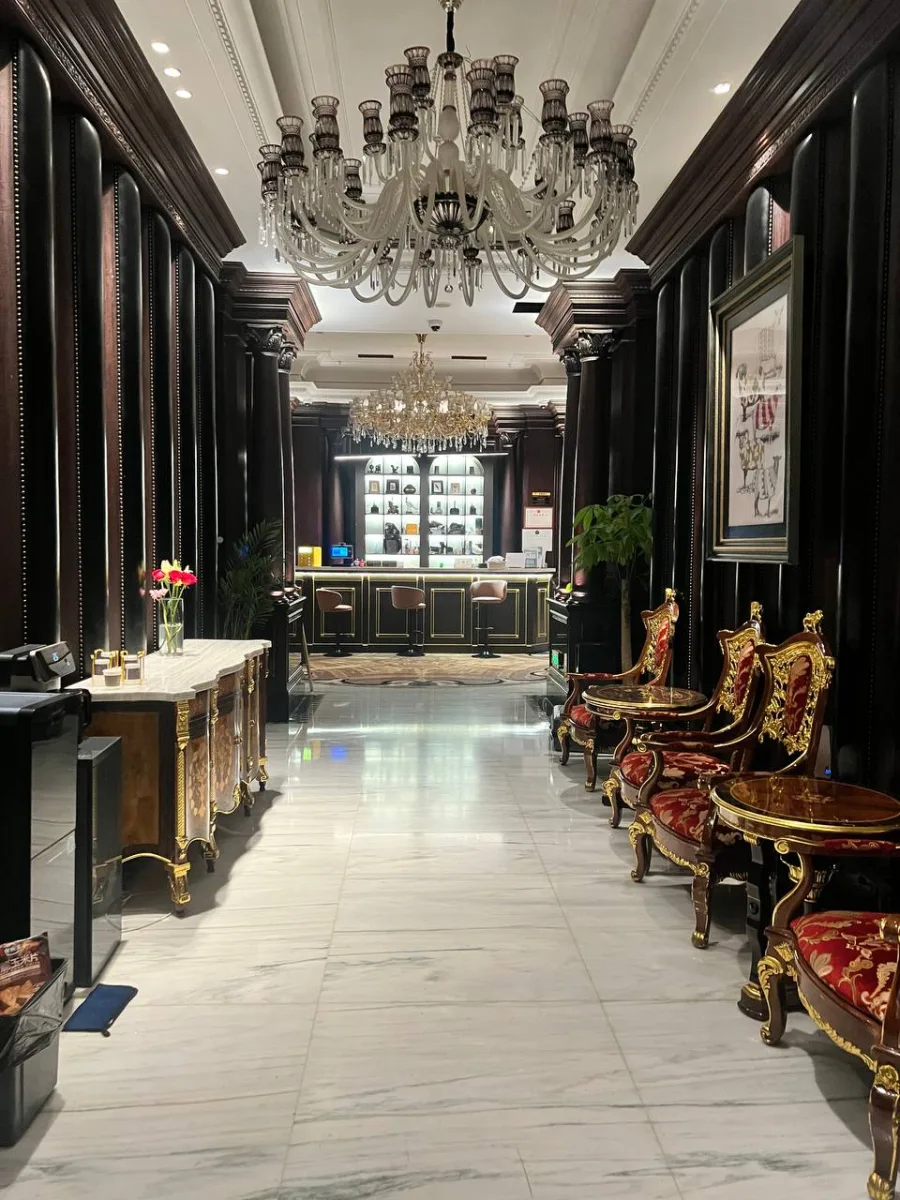
Short answer: yes. Trip.com is a legitimate travel platform from Trip.com Group, the company that started as Ctrip in China in 1999. I trust it and keep using it myself for flights, hotels, trains and some attraction tickets. My most telling experience: I mixed up the month and paid for a non-refundable hotel, and support got me a full refund even though the terms didn’t oblige them to. But trusting a platform doesn’t mean clicking «Pay» without reading the rules.
Checked November 2026.
Affiliate disclosure: this article contains affiliate links. If you book through one of them, I earn a small commission at no extra cost to you.
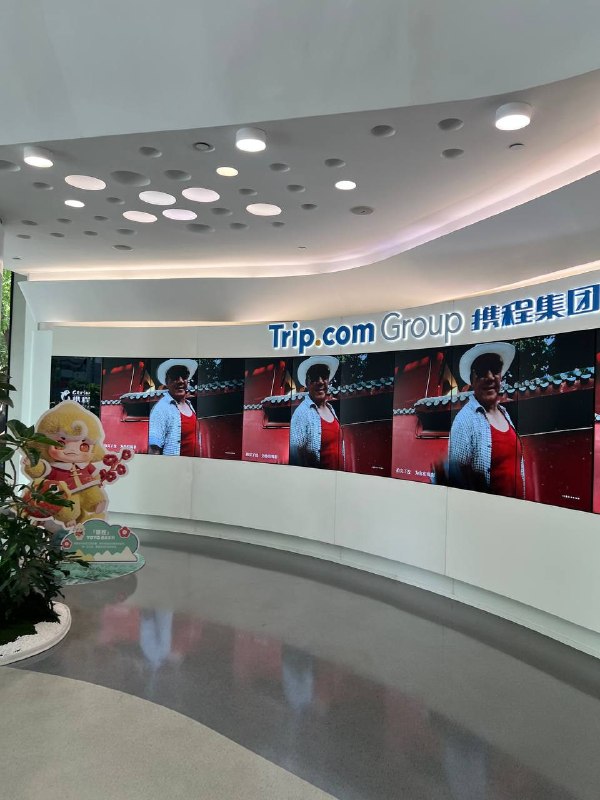
This review isn’t based on a single booking. I’ve used Trip.com on trips around China and other countries, and in Shanghai I even asked to visit the company’s office.
Why I decided to check Trip.com for myself
In China I used the service constantly. I booked hotels and train tickets through it, compared flights, looked at attractions and bought an eSIM. At some point I had so many questions, not just about travel, that in Shanghai I asked to visit the Trip.com office.

Some of my questions never got answered there, and I had to work them out myself. But the visit was useful: I saw not a pretty guest desk but a huge working system of content teams, support, open-plan offices, meeting rooms, kitchens, canteens, cafés, shops and deliveries.

Is Trip.com a Chinese company?
Yes. The group’s history began in China in 1999 with the Ctrip website, and in 2019 the company renamed itself Trip.com Group, as its official history page confirms.
Today the group runs several travel brands. Ctrip mainly serves mainland China, while Trip.com is aimed at international travellers. That’s why it’s especially handy for a trip to China: it has a big choice of local hotels, trains and tickets, in an English interface.
Does Trip.com give refunds?
Once, through carelessness, I picked the wrong month and booked a hotel on a non-refundable rate. I noticed the mistake after paying.
Trip.com refunded the full amount, even though the booking terms clearly said the rate was non-refundable and they could formally have refused.
For me that was a strong argument for the service. Support didn’t just quote the rules. They contacted the hotel and tried to fix a human mistake. But don’t draw the wrong conclusion: it doesn’t mean any non-refundable booking will be cancelled for you. It was a decision in one specific situation.
If you make a mistake, I wouldn’t press cancel blindly. First I’d open the support chat, briefly describe what happened, give the booking number and ask them to contact the hotel. The sooner you notice, the better your chances.
So is it safe to book on Trip.com?
In my experience, yes. Bookings showed up in the app, tickets arrived, hotels had my reservations, and money came back when a cancellation was agreed. Trip.com also publishes a service guarantee with rules for different situations.
But safety has two parts. The first is the platform and its support. The second is the terms of the specific hotel, airline or fare. Even a good service doesn’t cancel the rule «read the small print before paying».
What I check before paying
- Dates and city. After my mistake, I check the month especially carefully.
- Cancellation terms. Not just the word «free» but the exact time free cancellation ends.
- Who provides the service. The hotel, airline or other supplier is shown in the booking details.
- The total. Currency, taxes, fees, baggage and breakfast should be clear before you pay.
- The room category. In China, rooms with and without windows are sold side by side, and the price difference isn’t random.
- Recent guest reviews, especially photos of the bathroom, the carpet and the view.
- Names and passport details. On train and plane tickets, one typo can cost far more than on a hotel booking.
- «Pay now» vs «pay at the property». If it’s pay at the property, think in advance about how you’ll pay at the desk.
What I buy on Trip.com
Hotels in China and elsewhere
For China, this is my main use. There’s a big choice of local hotels, and it’s easy to see the distance to the metro, the room category, reviews and cancellation terms. I still compare a few options before paying. Sometimes the difference between a windowless room and a normal one is less than the price of two coffees. My Shanghai picks are in where to stay in Shanghai.
Is Trip.com legit for flights?
I use Trip.com not as a magic lowest-price button but as one of the sources I compare. I look at layover length, airports, baggage and fare rules. Sometimes a convenient combination of separate flights works out better than a standard return ticket.
Trains in China
For a foreigner, this is one of the clearest ways to buy a Chinese train ticket: you choose the stations, enter your passport details, and the ticket is linked to your passport.
See China train tickets on Trip.com →
Attractions and an eSIM
Some tickets are better and calmer to buy in advance, especially theme parks and popular sights with timed entry. I also bought my travel eSIM for China there, and it opened my usual apps without anything extra. More in best eSIM for China.
See attraction tickets on Trip.com →

Trip.com downsides
- It’s an intermediary. In a difficult case, the answer may depend on the airline or hotel, not just on support.
- Prices are dynamic. The price you find today doesn’t have to hold tomorrow.
- Similar fares have different rules. The cheapest option often means no baggage, no breakfast or no free cancellation.
- Not every listing is equally useful. Supplement official photos with recent guest photos and the map.
- Don’t count on an exception. I got a refund on a non-refundable hotel, but that was a one-off decision, not a new rule.
What to do if something goes wrong with a booking
- Don’t make a second booking until you understand the status of the first.
- Save the booking number, receipts, emails and screenshots of the terms.
- Contact support from that specific booking.
- Ask for one clear outcome: change the date, correct details or request a refund.
- If a hotel or airline provides the service, ask Trip.com to contact them.
- Don’t delete the conversation until the money is actually back on your card.
The Trip.com office in Shanghai, and what Zaha Hadid has to do with it
The office is in the SkyBridge HQ complex, formerly Sky SOHO. Its flowing shapes and linked buildings come from Zaha Hadid’s architecture firm. From outside it looks like a mix of high-speed trains, bridges and a giant ship.
Inside I visited the content department and got a glimpse of the staff’s working life. It’s a little city of its own: kitchens, open-plan offices, meeting rooms, cafés, canteens, shops, deliveries, a gym and a sauna. After a visit like that, the company stops being just a blue app.
FAQ
Is Trip.com a scam?
No. It’s an international travel service from the group that began as Ctrip in China in 1999. Before paying, still read the rules of the specific supplier and fare.
Does Trip.com give refunds?
If the fare allows cancellation, the refund follows its terms. In my case, support refunded the full amount even for a non-refundable hotel after I mixed up the month, but that result isn’t guaranteed for every booking.
Is Trip.com safe for hotels in China?
In my experience, yes, and the choice of properties in China is especially large. Before paying, check the area, recent reviews, the room category, whether there’s a window, breakfast and cancellation terms.
Is Trip.com legit for flights?
I use it as one of the sources I compare flights on. Check layovers, airports, baggage and fare rules before you pay.
What is Trip.com best for?
I use it for hotels, flights, Chinese trains, attraction tickets and an eSIM. For expensive purchases, I always compare the final price and the fare rules.
Would I book again?
Yes, and I keep doing it. I like the big choice in China, how easy trains are, and how support handled my non-refundable hotel mistake. But before paying I still check the dates, passport details, baggage, the window in the room and the refund rules. Trust doesn’t mean switching off your attention.